Strategy — Infrastructure
The firms that build and maintain the country.
Omega's infrastructure strategy preserves family-owned heavy civil businesses — their crews, their equipment, and the community trust built over decades.
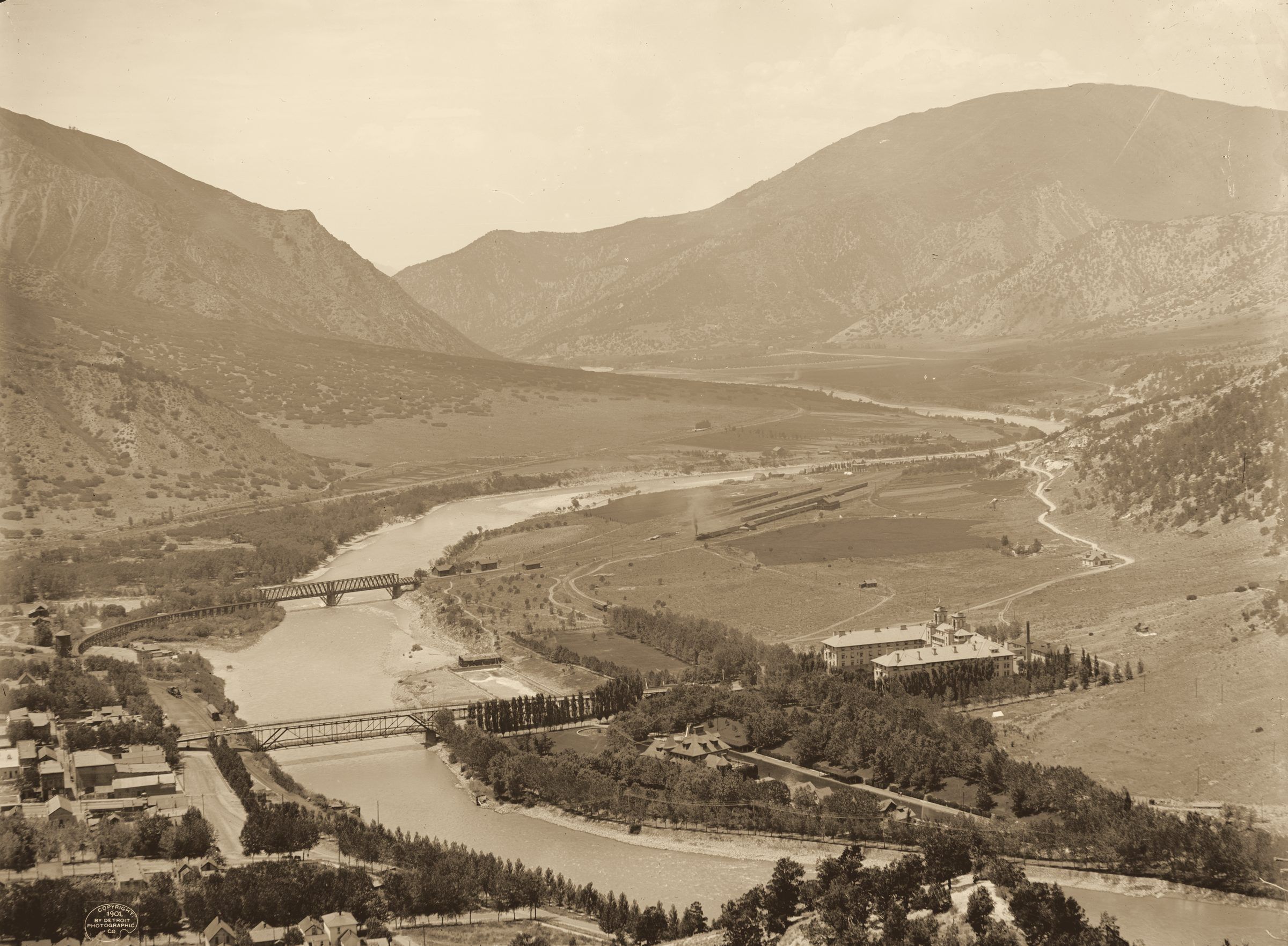
Glenwood Springs, Colorado, c. 1900 · Detroit Publishing Co., Library of Congress
Read the valley
Every town was built on someone’s infrastructure.
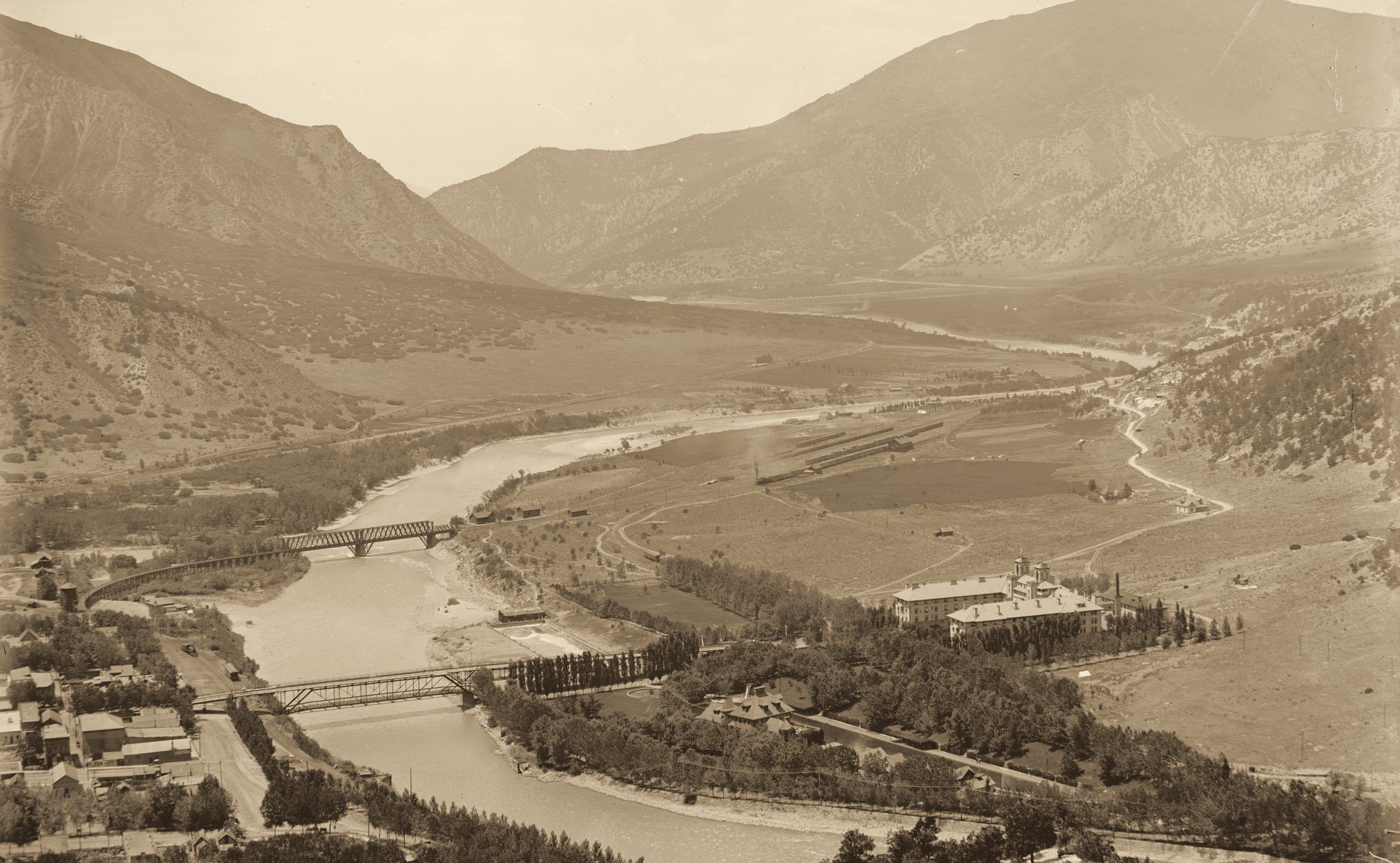
Glenwood Springs, around 1900. Before the grand hotel could fill its rooms, local crews had to bridge the river, lay the track and cut the roads.
 1234
- 1
Railroad bridge
Steel spans that carried the rail line across the river and into town.
- 2
Wagon bridge
The road crossing that tied the town to the valley and the resort.
- 3
Rail yard
Sidings and depots that moved freight, cattle and guests.
- 4
The resort
Hotel Colorado, the business all of that work made possible.
Detroit Publishing Co., Library of Congress
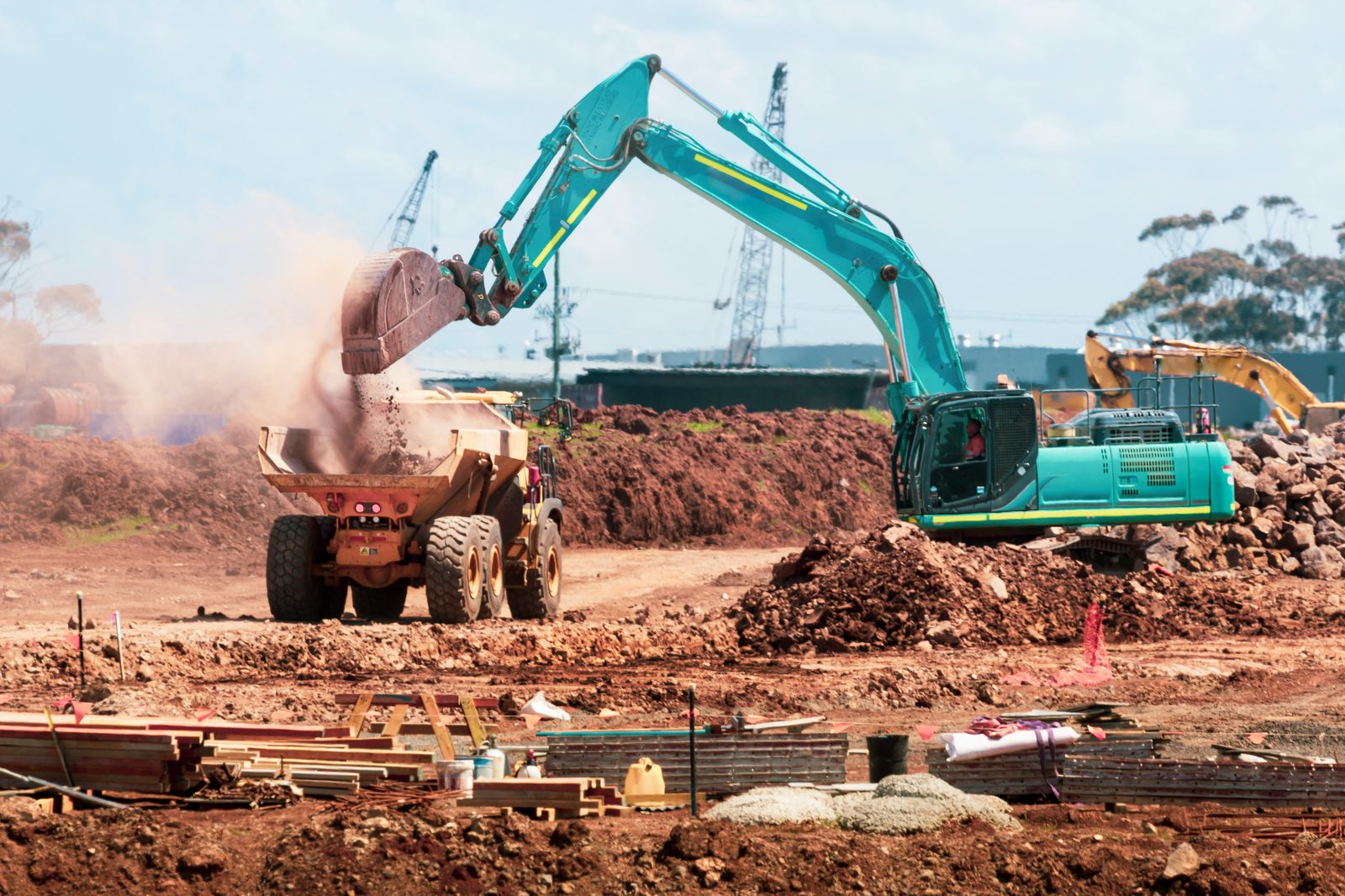
A century later, the same kind of work is still done by family-owned crews. We preserve the firms, their people and their equipment, so the next generation of roads and utilities gets built by people who live there.
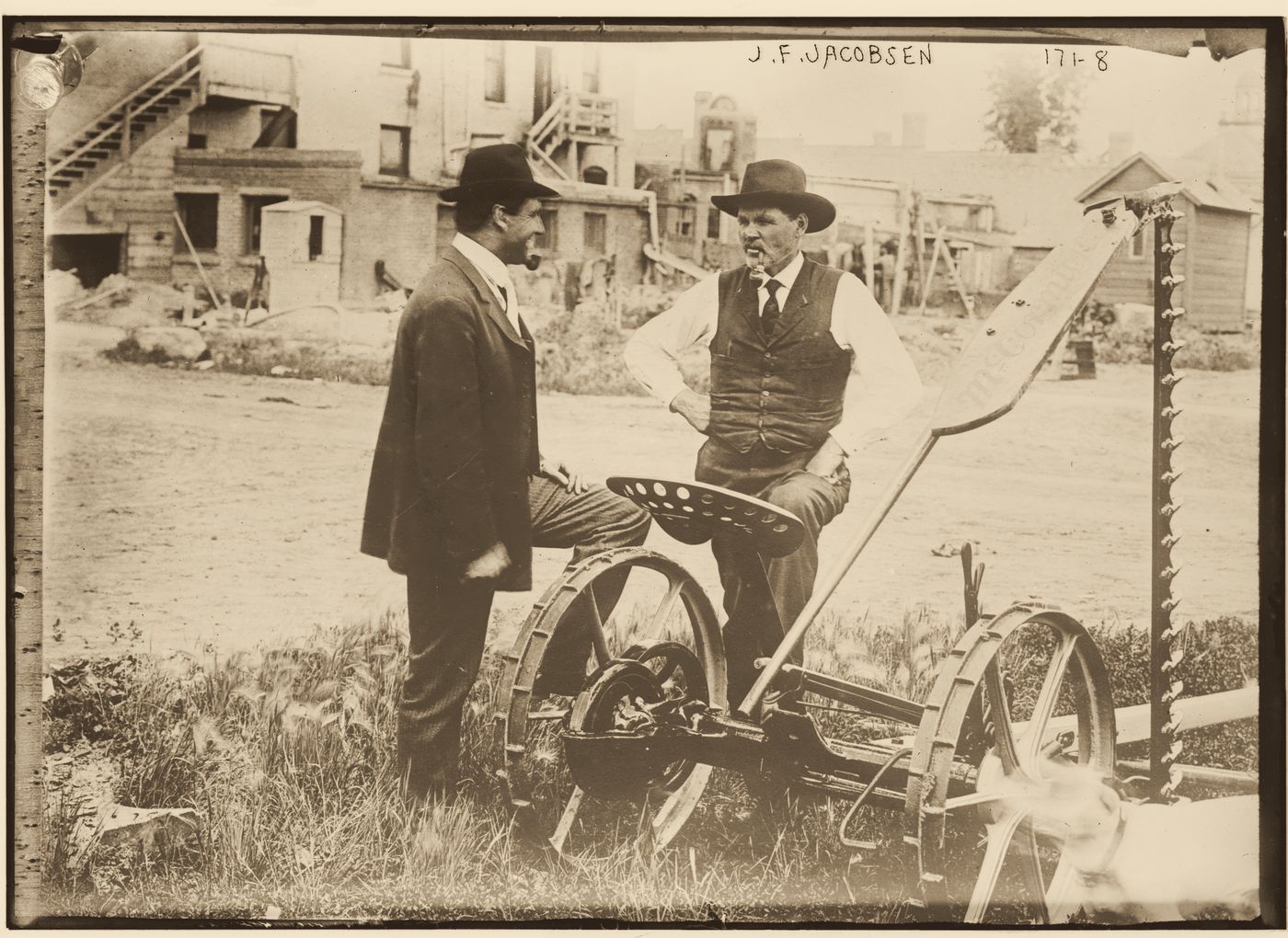
The people who build and run the equipment have always been the heart of this work. The machines change. The know-how is what we’re working to keep. Early mowing machine, c. 1910s · George Grantham Bain Collection, Library of Congress, Prints & Photographs Division
“I’ve worked inside a construction company. I know firsthand how hard it is to find skilled labor, and how much a good crew is worth. That’s why preserving these firms matters to me.”Jodi Ashton, Founder
The state we’re in
The country we built is wearing out.
America’s infrastructure just earned its highest grade in a quarter-century — a C. That is the good news. Behind it sits decades of deferred maintenance and a multi-trillion-dollar backlog of work that someone actually has to do.
C
overall U.S. infrastructure grade (ASCE 2025)
$3.7T
investment gap over the next decade
39%
of major roads in poor or mediocre condition
9 of 18
categories still graded in the “D” range
Selected 2025 grades
Source: ASCE 2025 Report Card for America’s Infrastructure.
The vanishing trades
And the people who do the work are aging out.
You cannot fix a bridge with a budget alone. It takes operators, ironworkers, electricians, and superintendents — and that workforce is retiring far faster than it is being replaced.
439,000
new construction workers needed in 2025 alone
~1.9M
workers needed over the next decade
~41%
of the workforce set to retire by 2031
306,000+
construction jobs sitting unfilled
Electricians, every year: more leave than arrive
Sources: Associated Builders & Contractors; NCCER; National Electrical Contractors Association (2025).
Every closed firm takes its crew, its foremen, and decades of know-how with it — knowledge that can’t be hired back overnight. How we intend to train the next generation →
The thesis
The infrastructure crisis and the succession crisis are the same crisis. The firms that maintain America’s roads and bridges are run by owners nearing retirement and staffed by a workforce aging out — in a country already trillions behind on the work.
Let those firms wind down with no successor and the equipment, the relationships, and above all the crews don’t transfer — they vanish. Preservation keeps them intact: the same answer we bring to the family farm, applied to the businesses that build and maintain the country.
Preserved, and carried forward.
Our answer
We preserve these businesses — then we grow them.
A short timeline strips a firm for parts. We do the opposite: keep it whole — owner included, for as long as they want to keep building — then invest in the capacity, the crews, and the craft the country can’t afford to lose.
Equipment & crews
We keep the fleet and the people intact — then invest to add operators, foremen, and apprentices, so the firm can take on more work, not less.
Community relationships
Stable, continuous ownership protects decades of trust with the DOT, the county, and the district — and gives the firm the standing to bid bigger and reach further over time.
The next crew
We back apprenticeships and on-the-job training, so the craft passes to the next generation and the skills don’t retire when the founder does.
Where we build
The firms we preserve and grow.
The heavy civil businesses that keep America moving — acquired, held, and built up for the long run.
Roads, bridges & utilities
Core heavy civil work and the firms that deliver it — the projects a county plans its future around.
Grading & excavation
Site work and earthmoving with long equipment lives, and operators whose skill takes years to build.
Specialty contractors
Electrical, drilling, paving, demolition, plaster, drywall, and environmental trades — the specialists no job finishes without.
Engineering & support
Civil engineering, consulting, and construction services — the planning and know-how behind every build.
Explore our Infrastructure focus
Where the thesis takes shape.
For investors
Invest in Infrastructure.
Investors who want real assets with essential, long-lived demand can back the contractors who build and maintain the Mountain West — and the skilled crews behind them. Partner with us deal by deal, or as an anchor partner across our platforms.
For the owner ready for what comes next.
Stay on and keep building, or step back — either way, your life’s work doesn’t have to wind down. We carry it forward, keeping the crew, the name, and the relationships, and investing to grow what you built.
Start a conversation