Agriculture
The People's Department: The Origin of USDA
Almost every farm and ranch family in America deals with USDA at some point: a loan, a crop report, a conservation program, the inspector at the meat plant down the road. It's so big today that it's easy to forget it started as a small office with a simple job: help farmers.
When it was founded in 1862, about half of all Americans lived on farms. Today it's closer to 2 percent. So the story of how USDA began is really a story about how much the country has changed, and how much it still depends on the people who raise its food.
A department for the people who fed the country
USDA's roots go back to 1839, when Congress gave the Patent Office a small agricultural division. Its commissioner, Henry Ellsworth, had started collecting new seeds and plants and mailing them to farmers to try.
On May 15, 1862, in the middle of the Civil War, President Abraham Lincoln signed the law that turned that division into a Department of Agriculture. Its first commissioner was Isaac Newton, a farmer himself (not the scientist).
1862 was a remarkable year for farm country. Within weeks of creating USDA, Lincoln also signed the Homestead Act, which offered settlers 160 acres if they lived on and worked the land, and the Morrill Act, which gave states land to start the colleges we now call land-grant universities. Colorado State and the University of Wyoming are both land-grant schools.
In his last annual message to Congress, about two and a half years later, Lincoln called USDA "the people's department" (USDA). He meant it literally. Most Americans made their living from the land, so a department that served farmers served nearly everyone. USDA became a full Cabinet department in 1889.
From seed packets to the meat inspector
In its early years, USDA did a handful of practical things: it sent out seeds, gathered crop statistics so farmers knew what the harvest looked like, and studied plant and animal diseases. Over the next century it took on much more, including research stations, weather and soil work, farm credit and conservation.
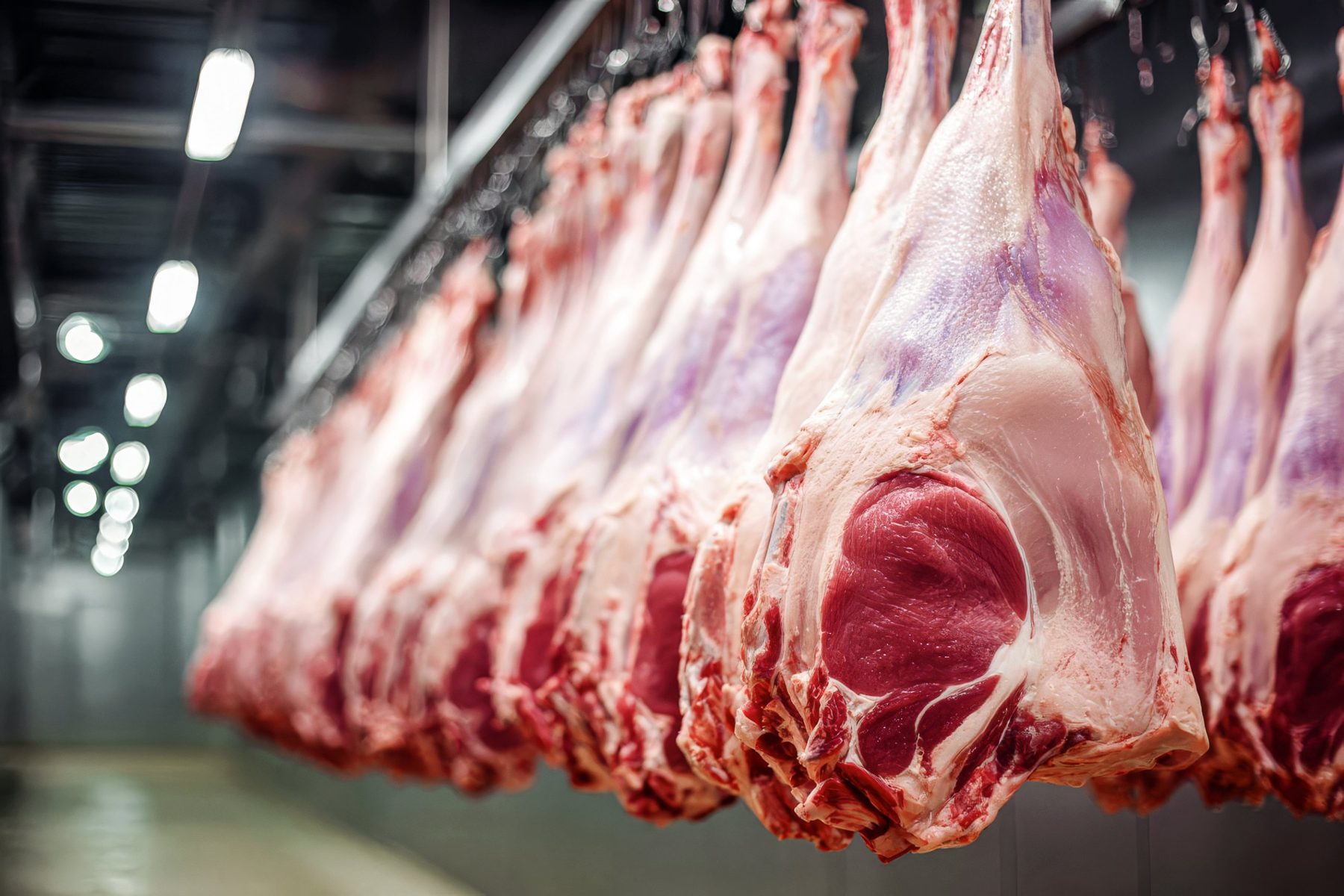 Photo by Aleksandr Dovianskii on Vecteezy.
One of its biggest jobs came from the meat business. In 1905, Upton Sinclair's novel The Jungle showed readers the filthy conditions inside Chicago's packing houses. The public outcry was immediate. In 1906, President Theodore Roosevelt signed the Federal Meat Inspection Act, which required federal inspection of meat and sanitary conditions in the plants that slaughter and process it (AVMA).
That work continues today through USDA's Food Safety and Inspection Service, which places thousands of inspectors in meat, poultry and egg plants across the country. It's why the round USDA inspection mark on a package of beef means something, and why a small processor that earns USDA inspection can sell its meat across state lines.
Still the people's department?
USDA is a very different place than the one Lincoln created. It's huge, it runs food assistance programs that reach millions of families who have never set foot on a farm, and plenty of ranchers will tell you its paperwork can feel like a second job.
But the original idea still holds up. A country is only as secure as its food supply, and its food supply is only as strong as the families who raise it. When a small, USDA-inspected processor stays open, the ranches around it have somewhere to take their cattle, and the town gets beef it can trust. That's the people's department doing exactly what Lincoln had in mind.
It's also why I care so much about keeping those family farms, ranches and local processors going. Lincoln understood that the people who feed a nation deserve a department of their own. I'd say they deserve a future of their own, too.
Jodi Ashton, Founder & Managing Director
Photo: Abraham Lincoln. Civil War photographs, 1861-1865, Library of Congress, Prints and Photographs Division.